 8.0
Accessories
Which charger you need for which device, and why the wattage on the box is only half the story.
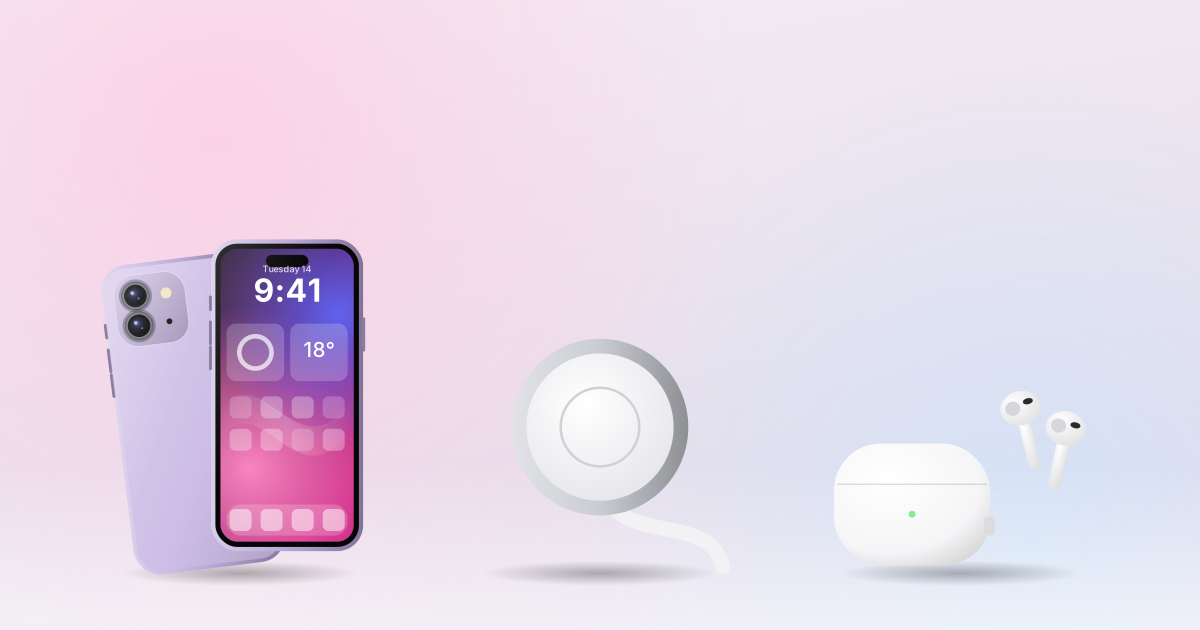
Every Apple device now charges over USB-C, which is great — but it also means a drawer full of chargers that all look the same and behave very differently.
Look for USB Power Delivery (USB-PD). A 20W adapter fast-charges any recent iPhone. A 30W adapter covers an iPad or a MacBook Air at a relaxed pace, and is needed for the fastest MagSafe speeds. A 65–100W multi-port charger can run a laptop and a phone at the same time.
MagSafe chargers snap into place and charge faster than ordinary wireless pads. Qi2 is the industry standard built on the same magnetic design, so many third-party chargers now behave much like Apple’s own.
A USB-C cable rated for 60W is fine for phones and most laptops. For 100W and above, use a cable rated for it. For fast data transfer from a Pro iPhone, you need a USB 3 cable — the one in the box is USB 2.
Wireless charging creates heat, and heat ages batteries. Overnight charging on a slow pad is fine; fast wireless charging in a hot car is not.
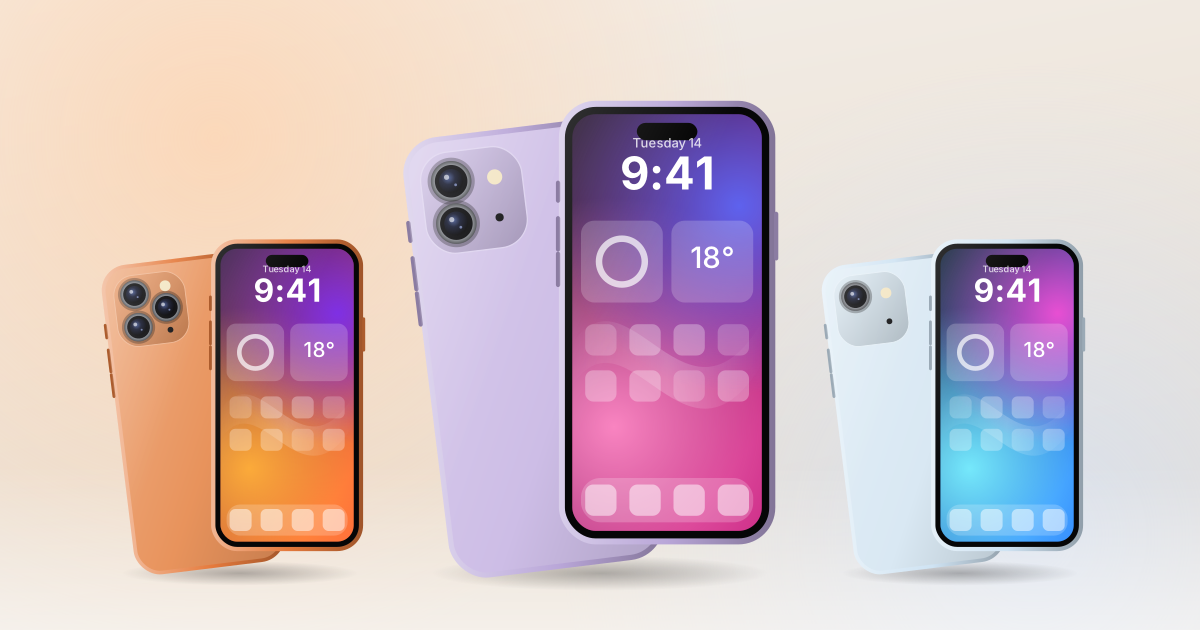
Our current recommendations, from the best value to the best camera, and the models we would skip.
The settings we change on every new phone, from Stolen Device Protection to battery charging limits.
Practical changes that make a difference, and the myths that waste your time.